
Good for bee good for me!
Organic Herbal Tea
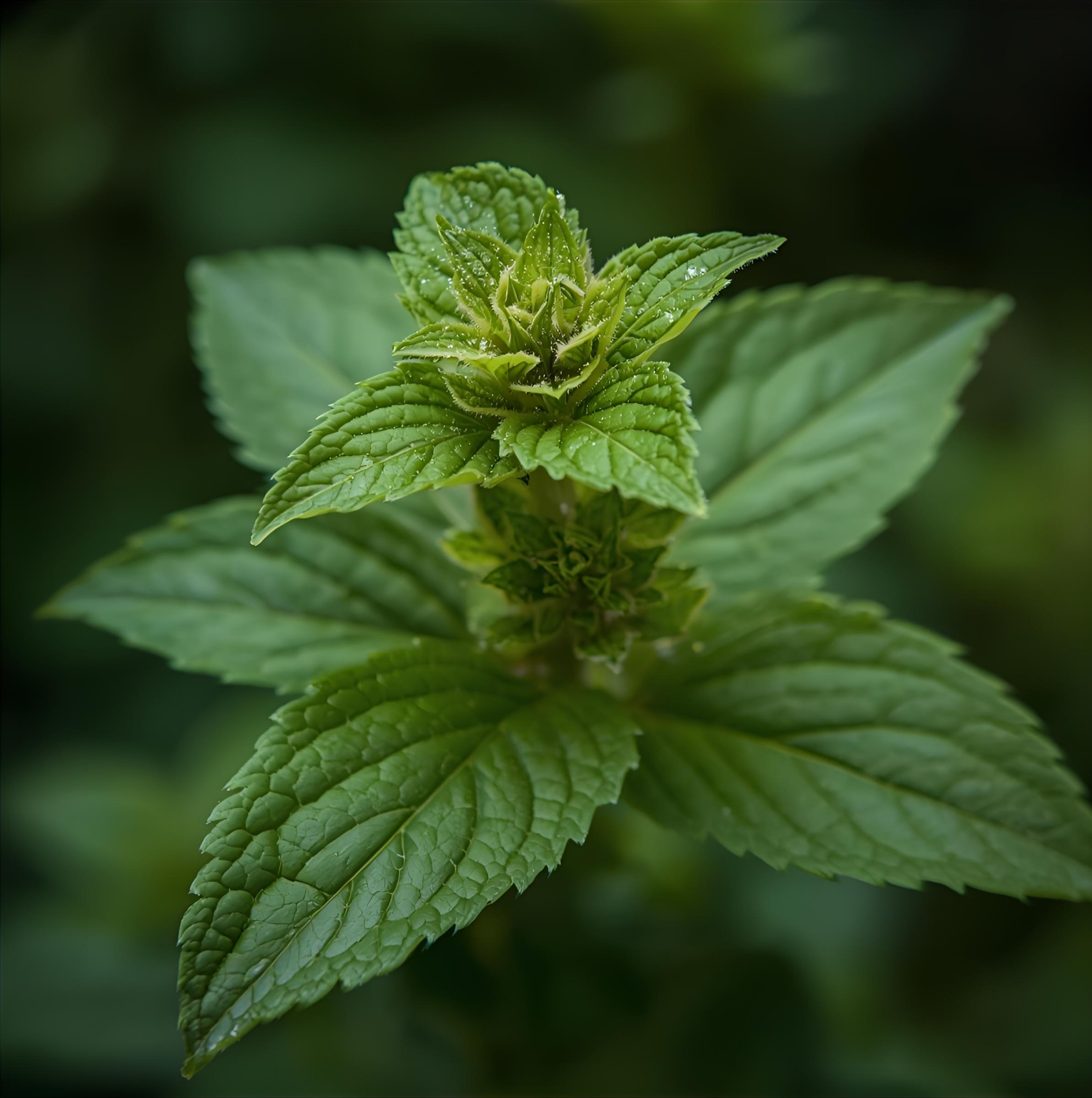
Softly citrus and naturally soothing, lemon balm tea is a beautiful way to unwind and restore inner balance. Known for its delicate lemony aroma and mild, comforting taste, lemon balm has long been treasured as a herb that brings calm to both the mind and body.
Traditionally used to ease stress and anxiety, support restful sleep, and aid digestion, lemon balm gently helps the body find its natural rhythm again. Modern research shows that it’s rich in antioxidants, including rosmarinic acid and flavonoids, which help protect cells from oxidative stress and support the body’s natural defenses.
Caffeine-free and naturally uplifting, lemon balm tea is perfect as a calming evening drink for children before bed. Its fragrant flowers are also a favorite of bees, making it a truly nurturing herb for both people and pollinators alike.
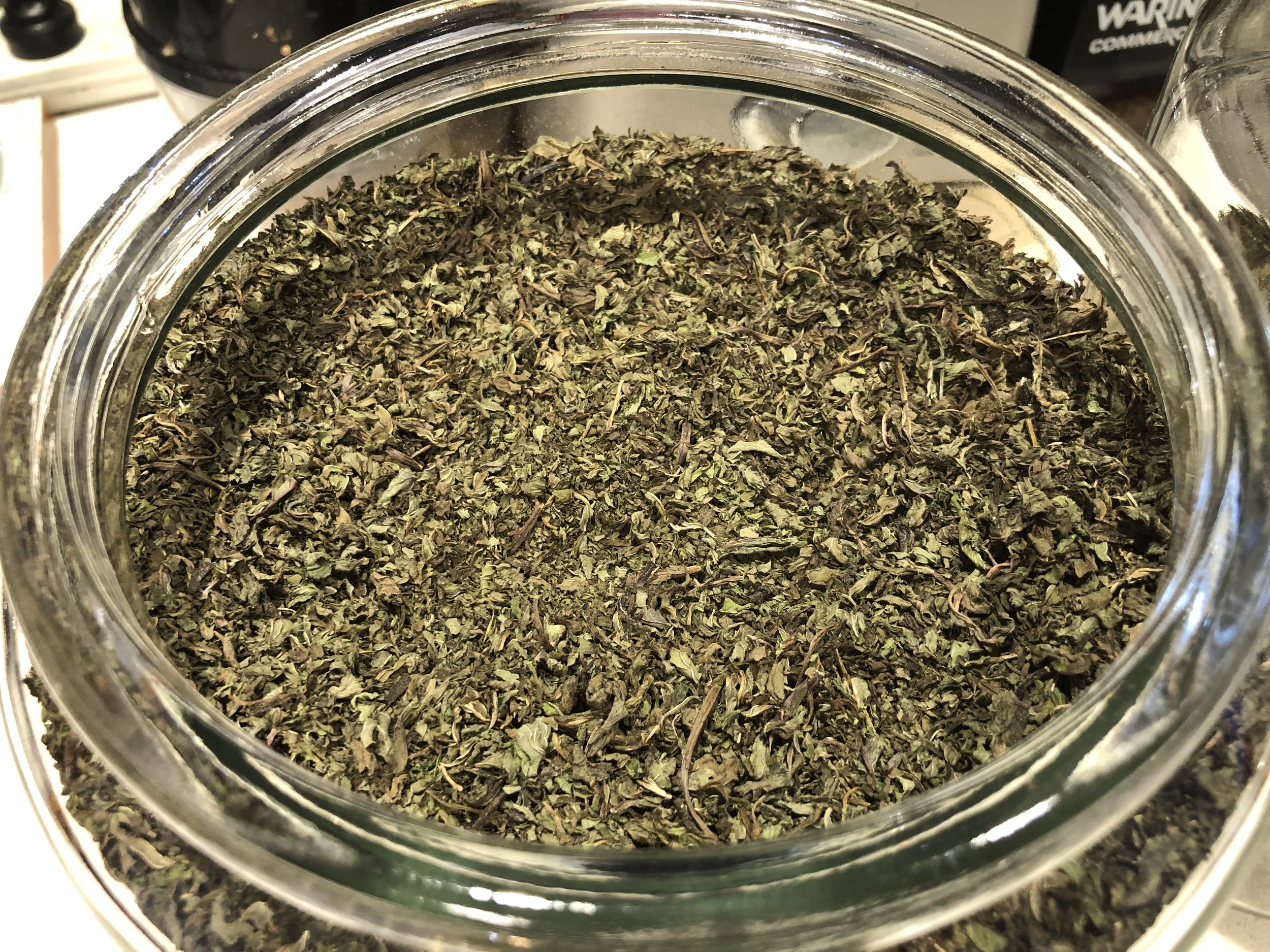
Cool, crisp, and naturally uplifting, peppermint tea is a timeless herbal favourite known for its refreshing flavour and soothing qualities. Each cup delivers a burst of minty freshness that helps clear the senses and calm the body.
Peppermint has been enjoyed for centuries to support digestion, ease occasional bloating or stomach discomfort, and relieve tension after a busy day. The menthol in peppermint leaves is naturally cooling, which can help open the airways and soothe headaches or sinus congestion.
Caffeine-free and rich in natural oils, peppermint tea is perfect to enjoy after meals, before bedtime, or anytime you want a moment of gentle clarity.
Peppermint has significant antioxidant properties, largely due to its high content of polyphenolic compounds like rosmarinic acid and various flavonoids, as well as terpenoids in its essential oil. These compounds help to neutralize free radicals, protect cells from oxidative damage, and enhance the body's natural antioxidant defense systems, such as boosting superoxide dismutaseactivity. These properties make it a natural way to boost a honey bee’s immune system as well as us humans , good for bee good for me!
-
50g
100g
-
1. Rosmarinic acid
The primary active compound in lemon balm.
A powerful antioxidant and anti-inflammatory polyphenol.
Helps protect cells from oxidative stress, supports immune balance, and is thought to contribute to lemon balm’s anxiolytic (calming) and mood-stabilising effects by influencing GABA (a calming neurotransmitter) activity in the brain.
2. Flavonoids (e.g. luteolin, apigenin, quercetin derivatives)
Provide antioxidant and anti-inflammatory activity.
Support circulation and general cellular protection.
3. Terpenes — particularly citral, citronellal, and geraniol
These are found in the essential oil of lemon balm.
Give the herb its lemony aroma and contribute to relaxing, antispasmodic, and antimicrobial properties.
4. Phenolic acids (e.g. caffeic acid, chlorogenic acid)
Work synergistically with rosmarinic acid to support antioxidant and digestive benefits.
-
50g
100g
-
1. Menthol
The primary active compound in peppermint essential oil.
Provides a cooling, soothing effect on the skin and digestive tract.
Acts as an antispasmodic, helping relax smooth muscles in the gut to ease bloating, cramps, and indigestion.
Offers mild pain relief and decongestant properties.
2. Menthone
Works alongside menthol to enhance peppermint’s digestive and aromatic qualities.
Supports bile flow and healthy digestion.
3. Menthyl Acetate
Contributes to peppermint’s sweet aroma and gentle calming effects.
Has mild anti-inflammatory properties.
4. Rosmarinic Acid
A potent antioxidant and anti-inflammatory polyphenol.
Helps neutralize free radicals, protect cells from oxidative stress, and support immune function.
5. Flavonoids (e.g. luteolin, hesperidin, eriocitrin)
Provide additional antioxidant support.
Contribute to circulatory health and protection against cellular damage.
6. Volatile Oils (Terpenoids)
A synergistic mix of menthol, menthone, cineole, and other compounds.
Offer antimicrobial, antifungal, and respiratory-clearing benefits.